From Field to Fabric: How Canadian Linen Is Made
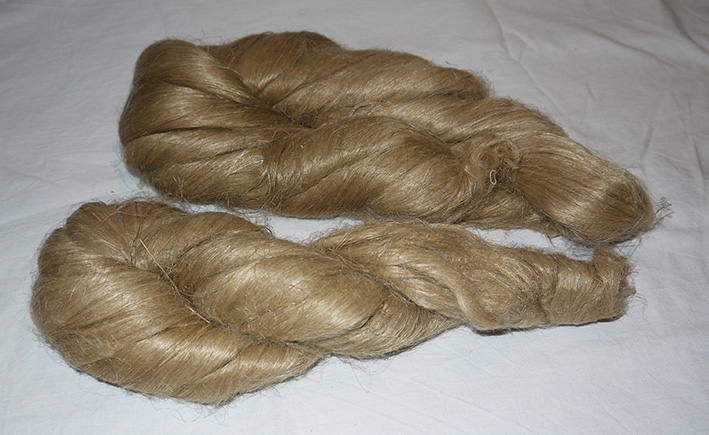
Linen cloth begins as a fibre locked inside the stem of the flax plant, Linum usitatissimum. The distance between a standing crop and a piece of finished fabric involves a sequence of mechanical and biological steps that are less automated than most consumers assume. In Canada, the flax grown for fibre is a different variety from the oilseed flax that dominates Prairie agriculture — though the two crops come from the same species and are sometimes confused in general coverage.
Where Canadian Fibre Flax Grows
The provinces best suited to fibre flax cultivation are those with cool springs, moderate summer temperatures, and reliable moisture in the first sixty days after seeding. That description fits parts of British Columbia's Fraser Valley, some regions in southern Ontario, and select areas of Quebec near the St. Lawrence lowlands. The Prairie provinces, while dominant in oilseed flax, are less consistently suited to fibre-grade flax because of the hotter, drier summers that shorten stem development.
A research plot operated by Agriculture and Agri-Food Canada in the Annapolis Valley of Nova Scotia has trialled European fibre flax varieties since 2018, tracking germination rates and fibre yield under Atlantic coastal conditions. Early results suggest that varieties bred for Belgian and Dutch growing conditions — where most of the world's premium linen fibre originates — can adapt reasonably well to the Atlantic region's climate profile.
For current fibre flax cultivation data by province, Statistics Canada's agricultural survey tables break down specialty crop acreage annually.
The Retting Process
After the flax plant is pulled from the ground — not cut, but pulled, to preserve the full length of stem fibre — it is dried and then subjected to retting. Retting is the controlled decomposition of the pectin compounds binding the bast fibres to the woody core of the stem. It is the step that defines the quality ceiling of the resulting linen.
There are two main retting methods in current use:
- Dew retting — bundled flax stalks are spread across a field and left for four to eight weeks, allowing dew, rain, and ambient fungi to break down the pectin. This is the older method and produces fibre with a grey-brown tone. It requires less water infrastructure but depends heavily on weather conditions. Inconsistent retting leaves some stems under-retted (the fibre is difficult to separate) or over-retted (the fibre becomes weak).
- Water retting — stalks are submerged in tanks or slow-moving waterways for seven to fourteen days. This produces a finer, more uniformly retted fibre and a somewhat lighter colour, but the effluent from water retting ponds has high biological oxygen demand and requires managed disposal. Belgium and Belarus use water retting for their highest-grade linen production.
A third approach, enzyme retting, applies industrial pectinase enzymes to accelerate the breakdown under controlled conditions. It is used in some European facilities and produces consistent results, but the enzyme cost makes it less practical for small-volume Canadian producers at present.
Scutching and Hackling
Once retted, the dried stalks are scutched — beaten and scraped to remove the woody shives from the bast fibre bundle. Historically this was done by hand with a wooden paddle over a scutching board. Industrial scutching rollers now handle the same task at scale, but the principle is identical: break the woody core without damaging the long bast fibres alongside it.
After scutching, the fibre mass — called strick — passes through hackling combs. Hackling is a combing process that aligns the long fibres in parallel and removes shorter broken fibres called tow. The long-line flax left after hackling is what goes into fine linen yarn. The tow is spun separately into a coarser yarn used in canvas, rope, and upholstery fabrics.
The ratio of long-line flax to tow is one measure of crop quality and retting success. A well-retted, cleanly harvested batch might yield 65–70% long-line fibre by weight. Poorly retted or mechanically damaged crops can drop that ratio below 50%.
Spinning and Yarn Formation
Flax fibres are spun into yarn either dry or wet. Wet spinning — where the fibre passes through a trough of hot water just before it meets the spinning frame — softens the natural pectin remaining in the fibre, allowing tighter twisting and producing a smoother, finer yarn. Dry-spun linen yarn is coarser and more variable in diameter, which gives it a textured appearance sometimes preferred in handwoven fabrics.
Yarn count in the linen industry is expressed in the lea system (English count) — the number of 300-yard leas in one pound of yarn. A count of 14 lea is a coarse yarn suitable for canvas or upholstery. A count of 100 lea or above goes into fine suiting and damask linens. Most craft-scale weavers in Canada work with commercially produced Belgian or Irish linen yarn in counts between 20 and 40 lea.
From Yarn to Cloth
Once spun, linen yarn is wound onto warping frames and dressed onto a loom for weaving. The structure of the weave — plain, twill, or more complex pattern weaves — determines the fabric's drape, weight, and surface texture. The weaving article on this site covers those structures in detail.
Finished linen cloth is typically washed, scoured, and sometimes bleached before dyeing or finishing. The natural colour of scoured linen ranges from off-white to a warm ecru, depending on the retting method and fibre variety. Optical brightening agents are used in mass production to achieve pure white — a finish that is not possible with linen from dew-retted fibre alone without chemical intervention.
What "Canadian Linen" Actually Means
At present, very little linen fabric sold in Canada is woven domestically from Canadian-grown flax. Most linen goods available through retailers source their fibre and yarn from Belgium, France, Belarus, and China. Some small Canadian producers import linen yarn and weave locally; others import greige (undyed, unfinished) fabric and apply local finishing processes.
A "made in Canada" label on a linen product may indicate that the weaving or finishing happened domestically without specifying where the fibre was grown or spun. This is consistent with Canadian labelling regulations under the Textile Labelling Act, which requires disclosure of fibre content by percentage but does not mandate country-of-origin information for textiles sold domestically.
For buyers specifically seeking Canadian-grown fibre, direct contact with individual producers remains the most reliable approach. A small number of farms in Ontario and Quebec maintain fibre flax plots and sell strick or retted fibre directly to handweavers.