Textile Research · Canada
Natural Fibres, Loom Craft, and the Sustainable Fabric Market
A reference point for those following natural fibre sourcing, traditional weaving methods, and the expanding market for linen and sustainably produced textiles across Canada.

Recent Coverage
What's Being Discussed
These three pieces cover the range of topics tracked here — from raw material sourcing to loom mechanics and the certification frameworks shaping the Canadian textile market.
 Fibre Sourcing
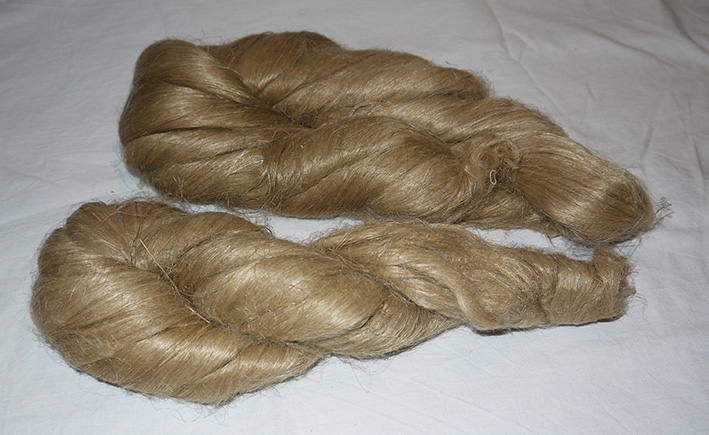
From Field to Fabric: How Canadian Linen Is Made
The steps between a harvested flax crop and a finished piece of linen cloth — retting, scutching, and the conditions that affect fibre quality.
Read article → Standards & Certification
Understanding Natural Fibre Certifications in Canada
What GOTS, OEKO-TEX, and other certification marks actually verify — and why the distinctions matter for buyers and producers in the Canadian market.
Read article → Weaving & Craft
Loom Weaving Techniques for Sustainable Textiles
Floor looms, rigid heddle rigs, and the structural differences between plain, twill, and satin weaves — explained in practical terms.
Read article →Canada's Flax Belt and the Case for Domestic Linen
Saskatchewan and Manitoba together account for roughly 70% of global flax seed output. A smaller share of that crop moves into fibre production rather than oil pressing — but awareness of domestic linen sourcing has grown noticeably since 2020, tracked across buyers in British Columbia and Ontario.
Read the full pieceContext
Why Natural Fibres Are Getting More Attention
Synthetic textiles shedding microplastics into waterways have moved the conversation around fabric choice into policy discussions at the federal level. Natural fibres — flax, hemp, organic cotton, and wool — decompose without releasing persistent particles, which has pushed them back into focus among producers and retailers.
The Environment and Climate Change Canada framework on microplastic pollution, published in 2021, references textile washing as a significant source. That document has been cited in a number of industry roundtables in Toronto and Vancouver.

Loom Mechanics and Fabric Structure
The relationship between warp density, weft count, and the resulting hand-feel of a fabric is not widely documented in accessible form. The weaving article on this site walks through plain, twill, and satin structures with attention to how each performs with flax and hemp yarns.
Explore the articleQuick Reference
Topics Covered on This Site
Flax Cultivation
Growth conditions, harvesting windows, and retting methods that determine the quality of fibre going into production.
Hemp Fibre
Hemp's bast fibre characteristics, its legal production status under Health Canada regulations, and its applications in coarser textile grades.
Certification Labels
GOTS, OEKO-TEX Standard 100, Bluesign, and the Canadian Organic Regime — what each actually covers in the context of textile supply chains.
Weave Structures
Plain, twill, and satin weaves explained in terms of warp and weft interaction, thread count, and durability outcomes.
Natural Dyes
Plant-based and mineral dye sources, mordanting chemistry, and the lightfastness limitations relevant to production runs.
Market Data
Figures from Statistics Canada and Trade Data Online on Canadian imports and exports of natural textile fibres and finished linen goods.
Certification and Transparency in the Canadian Textile Supply Chain
The gap between a product labelled "natural" and one that holds a third-party organic certification is significant — in terms of chemical inputs, water use, and labour conditions across the supply chain. The certification article on this site maps out what each major mark actually audits.
Read the certification pieceHistorical Context
Weaving Traditions and Industrial History
Before synthetic fibres dominated global production in the mid-twentieth century, linen and hemp cloth were standard materials in Canadian households. Settlers in Quebec and Ontario maintained small flax plots through the eighteenth and nineteenth centuries, and loom-weaving was a domestic skill passed through families rather than taught in institutions.
The mechanisation of spinning and weaving shifted production to mills in the Maritimes and Central Canada, but handloom weaving has never fully disappeared. A number of artisan weavers in Nova Scotia, British Columbia, and Quebec currently produce small runs of linen and hemp cloth using floor looms sourced from Scandinavia and North America.